
Specialist Behaviour Support
Specialist Behaviour Support That Makes A Real Difference
At Edulink Support Services, we believe everyone can learn new skills and build a more positive future with the right support. Our specialist behaviour support services are designed to help individuals and families with complex disabilities manage challenging behaviours, re-enter the education system and create lasting change at home, school, and in their community.
Specialising in autism, we focus on what works: practical strategies, positive teaching, and building strong support networks around each person.
What is Specialist Behaviour Support?
Specialist Behaviour Support is a personalised service that helps you understand and manage behaviours of concern. We work with you to identify why behaviours are happening and create new pathways for learning and growth.
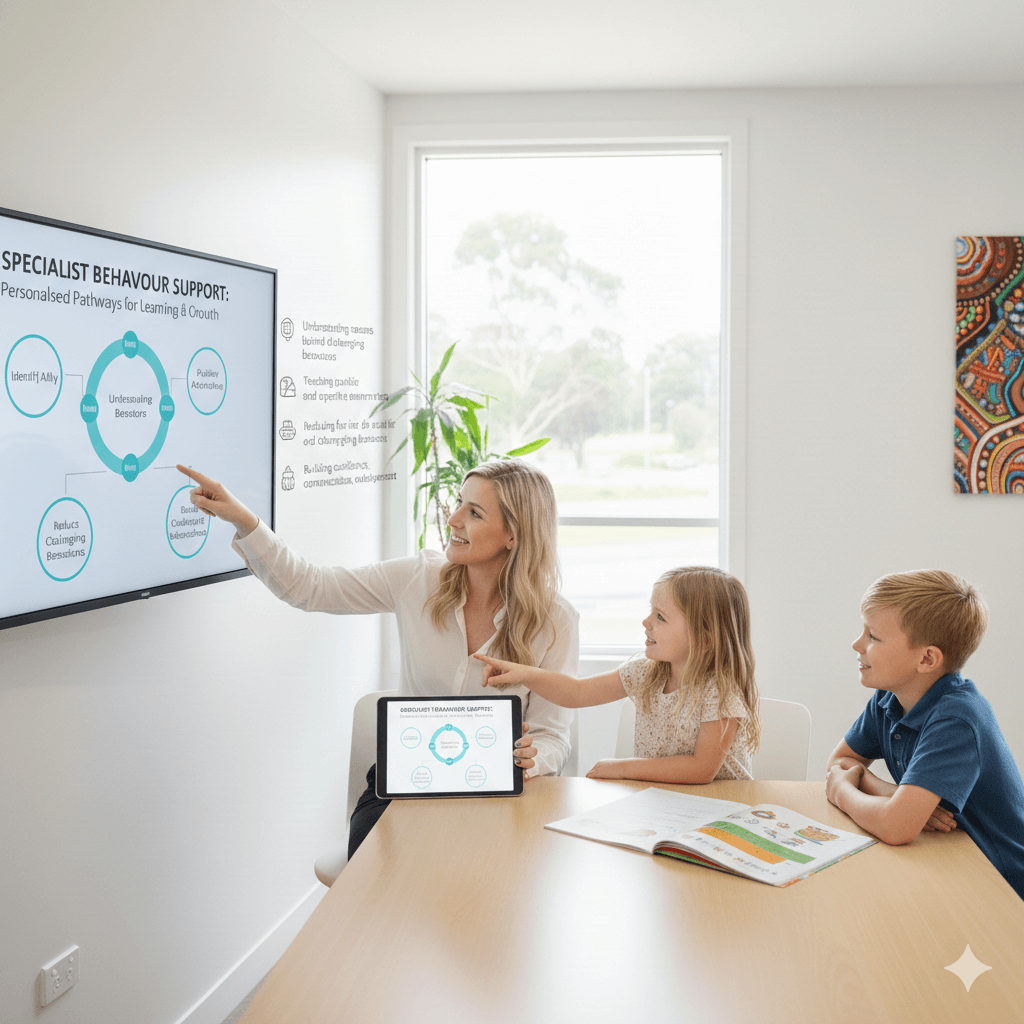
Our support focuses on:
- Understanding the reasons behind challenging behaviours.
- Teaching positive alternatives.
- Creating familiar and supportive environments.
- Reducing the need for challenging behaviours.
- Building confidence, communication, and independence.
How We Help
Every journey begins with a clear understanding of your needs.
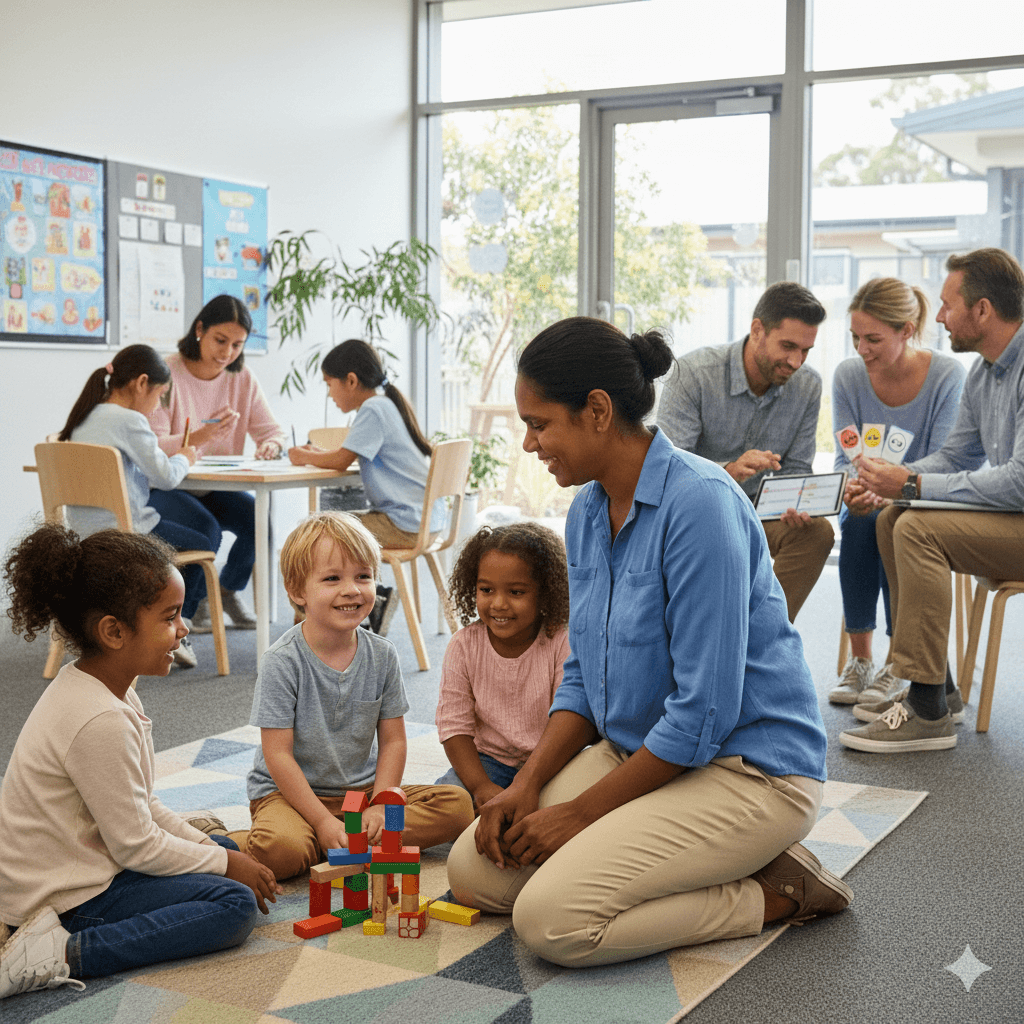
We offer:
- Functional Behaviour Assessments.
- Personalised Behaviour Support Plans.
- Strategies to teach new skills and routines.
- Support to make changes at home, school, or in the community.
- Practical training for families, carers, and educators.
Our plans may include:
- Improving communication and social skills.
- Environmental adjustments at home or school.
- Safe responses to behaviours of concern.
- Stress and emotional management techniques.
Specialising in Complex Needs and Autism Support
Our team has extensive experience supporting individuals with complex disabilities, including those on the autism spectrum. We use proven, structured approaches to build skills and independence, believing every ability can be taught with the right strategy.
We have a special interest in supporting girls on the autism spectrum and understand that they may face different challenges. Our approach is thoughtfully tailored to meet their individual needs.
Supporting Positive Transitions in Education
Returning to school or finding the right educational setting can feel overwhelming for families living with complex disabilities.
We help:
- Navigate the education system.
- Support familiar and predictable routines.
- Build strategies for success in learning environments.
We aim to empower families with the tools, skills, and confidence to create lasting positive change.
All Your Behaviour Support Questions Answered
What is Positive Behaviour Support?
Positive Behaviour Support (PBS) helps people live better lives, it assists them with the necessary skills and strategies to be able to get on with their day with less interruptions due to complex behaviour responses.
PBS works by:
- Finding out why some behaviours happen.
- Finding out how behaviours fill a need in a person’s life.
- Showing ways to make behaviours safer for everyone.
- It teaches new skills to help with daily life and coping with transitions or anxiety .
- We teach family members and carers to use the same strategies, so that there is a consistent and predictable process for everyone.
- A Behaviour Support Specialist acts as an advocate for you in schools, at work or in community settings.
What is a Behaviour Support Plan?
A Positive Behaviour Support (PBS) Plan is a personalised document that helps an individual, their family, and support team manage behaviours of concern in a safe and positive way.
A PBS Plan usually includes:
- Understanding behaviours: Why certain behaviours happen and what triggers them.
- Strategies and interventions: Practical steps to reduce behaviours of concern and teach new skills.
- Goals and outcomes: Clear objectives for skill development, independence, and quality of life.
- Support for carers and staff: Guidance on consistent strategies for home, school, or community settings and training for recommended strategies.
- Monitoring and review: Regular checks to see if the strategies are working and updates as needed.
The plan is person-centred, strengths-based, and tailored to the individual’s needs and goals. It is based on a Functional Behaviour Assessment, where underlying concerns, triggers and responses are considered.
What Strategies and Interventions will behaviour support provide?
Positive Behaviour Support (PBS) helps people learn new skills and reduce behaviours that may cause problems.
PBS can help by:
- Teaching skills for talking, making friends, and daily life.
- Changing home, school, or work to make it easier and safer.
- Teaching replacement behaviours.
- Rewarding positive behaviours to reinforce an easier way to have needs met.
- Making routines and schedules that are easy to follow.
- Helping families and carers use the same strategies.
- Making a plan for what to do if difficult behaviours happen.
Each plan is made just for the person, using their strengths and goals.
How can a Behaviour Support Practitioner Help?
A PBS Practitioner can help you by:
- Learning about your strengths and needs.
- Making a plan to help with behaviours and skills.
- Showing families and carers how to use the plan.
- Checking if the plan is working and making changes if needed.
- Helping you take part in home, school, work, and community life.
They make sure support is safe, positive, and just for you.
Does Positive Behaviour Support Help Children with Autism?
Yes. Positive Behaviour Support (PBS) can help children with Autism.
PBS works by:
- Finding out why behaviours happen.
- Teaching new skills to replace behaviours of concern.
- Helping children with communication and social skills.
- Making routines and environments easier and calmer.
- Supporting families, teachers, and carers to use the same strategies.
Every child’s plan is different. The support is made to fit their needs and goals.
What does a Functional Capacity Assessment include?
A Functional Capacity Assessment looks at how you manage daily life and what supports you need. It usually includes:
- An interview with you (and your family or carers if you’d like).
- Observation of how you complete everyday activities, such as communication, mobility, self-care, social skills, and learning.
- Discussion about your strengths, challenges, and goals.
- Recommendations for supports, services, or strategies that can help you build independence and reach your goals.
- A detailed written report that can be used to guide your NDIS plan and support team.
The assessment is person-centred, meaning it focuses on your unique abilities and the best ways to support you.