
We are a full service
Specialist Level Positive Behaviour Support
Trauma-informed practice, strategies and interventions, autism support, ADHD support strategies and advocacy in schools
Specialist Behaviour Support
Our specialist behaviour support services are designed to help individuals and families with complex disabilities manage challenging behaviours, re-enter the education system and create lasting change at home, school, and in their community.
Development Education
Our developmental education programs are designed to build real-world skills for children and young adults with complex needs. We work alongside families, schools, and support teams to create practical, supportive strategies that open up new opportunities for growth, learning, and independence.
Autism Strategies, Interventions & Advocacy
Tailored strategies and interventions that make a real impact across home, school, and community life. Leigh specialises in supporting individuals with autism, ADHD, ODD, and PDA, using evidence-based approaches that promote growth, inclusion, and long-term wellbeing.
Training & Education
Positive Behaviour Support (PBS) Professional Development
Training that helps teachers and aides understand behaviour functionally — why behaviours occur and how to support positive change respectfully.
Focus areas typically include: Principles of PBS and person-centred approaches, Understanding the role of environment, triggers, and communication in behaviour,
Edulink ADHD Education
Parenting a child with ADHD can feel overwhelming. You may find yourself wondering why the strategies that work for other families don’t seem to work for yours, or why your child struggles with things that seem straightforward.
This 90-minute workshop is designed to give you the understanding and practical strategies you need to support your child at home. We’ll explore how the ADHD brain works, why children with ADHD often need the opposite of what they seem to want, and what actually works.

Why Choose Us As Your Positive Behaviour Support provider?
We are early intervention specialists in Autism & ADHD Support. Based on Brisbane Northside, our Moreton Bay practitioners will travel north to the Sunshine Coast and south to Underwood, parts of Logan and Redlands including Cleveland, Ormiston, Capalaba, Victoria Point and Redland Bay.
Meet The Edulink Support Services Team
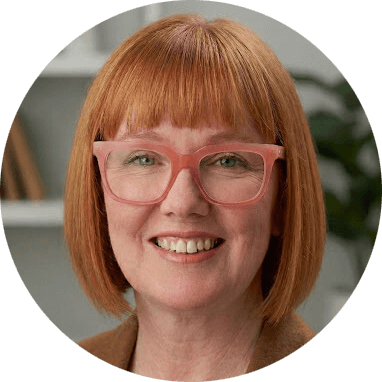
Leigh De Silva
Director of Edulink Support Services/NDIS provider of Specialist Behaviour Support Developmental Educator
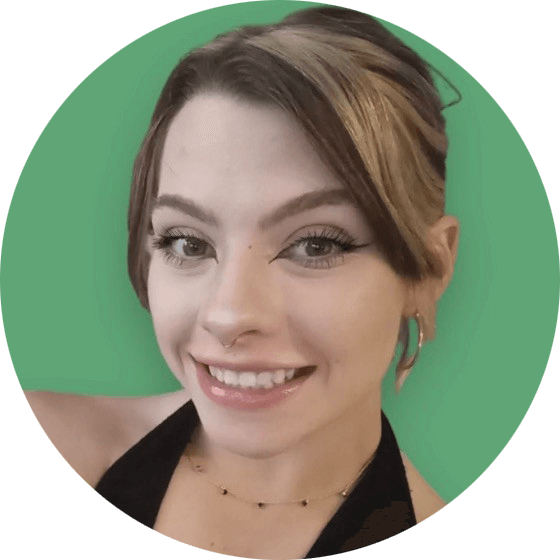
Caitlin Lawrence
Events & Training Coordinator
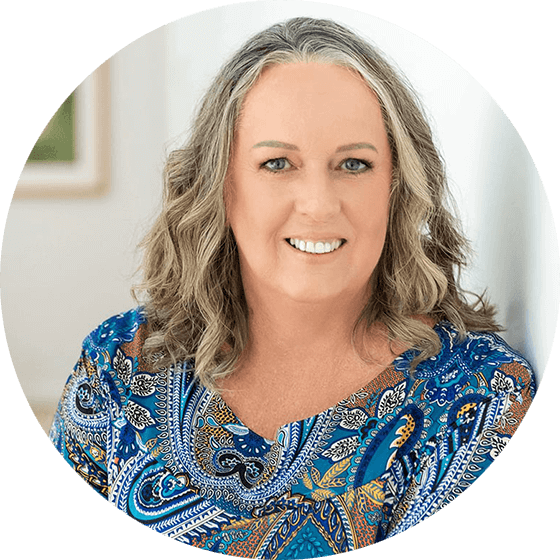
Fiona Davies
Specialist Disability Professional

Candy
Office Manager

Christine
Behaviour Support Administration

Why We Are Different
- We are a business that is person-centred, strengths-based approach that focuses on long-term outcomes, not quick fixes.
- We offer Individualized Support - Every person is supported based on their unique needs, goals, environment, and strengths. Strategies are tailored, practical, and meaningful to real life.
- We are Evidence -based and Ethical - Support is grounded in Positive Behaviour Support principles, aligned with NDIS best practice, and always respectful of the individual’s rights, dignity, and choices.
- We work with the Family, the carers, the support teams and the individual - Support doesn’t stop with the individual. Families, carers, educators, and support teams are actively involved so strategies are consistent and sustainable.
- We offer practical strategies that work in everyday life - Plans are designed to be realistic and easy to implement at home, school, work, and in the community—not just on paper.
All Your Positive Behaviour Support Questions Answered
What is Positive Behaviour Support?
Behaviour Support is a person-centred approach that helps individuals understand, manage, and reduce behaviours of concern by identifying why the behaviour is happening and putting supports in place that improve quality of life.
Rather than focusing on punishment or control, behaviour support looks at the underlying needs, triggers, and environments that influence behaviour.
What is Developmental Education?
Developmental Education is a personalised approach to learning that supports people to build everyday life skills, independence, and confidence across all stages of development.
It focuses on how a person learns and develops, rather than their age or academic ability, and is tailored to each individual’s strengths, needs, and goals.
Can a behaviour be changed?
Yes, absolutely. If we can work out the function of the behaviour, we can teach an alternatebehaviour that serves the person and the situation.
How can I access strategies for my child?
You can contact us by either calling 0468 090 615, or by filling in the Contact form on this site. We can discuss your specific needs.
Can a behaviour be changed?
Yes, absolutely. If we can work out the function of the behaviour, we can teach alternate behaviours which serve the person and the situation.
What is "Specialist Behaviour Support"?
It is a therapeutic support aimed at understanding why a person uses "behaviours of concern" (actions that may cause harm or impact quality of life). The goal is to build the person's skills and change their environment so they don't need to use those behaviors.
Who is eligible for behavior support funding?
NDIS participants who display behaviors that put themselves or others at risk, and have ‘Improved Relationships’ Funding approved in their NDIS plan.
How do I get this funding in my plan?
You usually need evidence from a support coordinator, school, or doctor showing that behaviors are impacting your life or safety. The NDIS then adds funding under the "Improved Relationships" budget.
Is a Behaviour Support Practitioner the same as a Psychologist?
No. While many practitioners are psychologists, their role in this context is specifically to assess the function of behavior and write the support plan, rather than providing traditional 1:1 talk therapy.
Do practitioners provide 1:1 therapy?
Usually, no. Their primary role is to train the people around the participant (parents, teachers, and support workers) to implement the strategies in the plan.
Can the NDIS fund training for my staff/family?
Yes. NDIS funding can be used for the practitioner to train your family, carers, or support workers on how to use the strategies in the plan safely.
Can I use my "Improved Daily Living" or “Capacity Building” budget for behavior support?
No. Under the current NDIS system, behavior support has its own specific category- “Improved Relationships”.
What is a "Behaviour of Concern"?
Behaviours of concern are actions that may be physically unsafe for the person or others, or that significantly limit a person’s ability to participate in the community. This includes physical aggression, self-injury, property damage, or social withdrawal. In the NDIS, we view these behaviours as a form of communication - the person is trying to tell us something they cannot express in words.
What are the different levels of PBS Practitioners?
The NDIS Quality and Safeguards Commission classifies practitioners into four capability levels:
- Core (Level 1): Assists with data and basic strategies under supervision.
- Proficient (Level 2): Can lead assessments and develop standard Behaviour Support Plans.
- Advanced (Level 3): Manages complex cases and provides clinical supervision.
- Specialist (Level 4): Reserved for high-risk, complex cases requiring expert leadership and multi-agency coordination.
What is the difference between an OT and a Psychologist in PBS?
While both can be PBS practitioners, their "lens" differs:
- Occupational Therapists (OTs): Focus heavily on sensory processing, environmental modifications, and the physical ability to perform daily tasks.
- Psychologists: Often focus more on cognitive processes, emotional regulation, and trauma-informed mental health strategies.
Note: Many specialist teams use a multidisciplinary approach combining both.